
The Enduring Relevance of the Print Medium in Modern Communications

In our digital age where developments are constantly being made and information is available in real time, you might have wondered if print media has ever become redundant. The print medium provides important and often valuable information to the world today. So we might ask: why is print so vitally important? This article will demystify the meaning of print and discuss some of its specific characteristics that could only be achieved through technology. By digging into the reasons print has always been an important part of communications, we will begin to understand why it is still a key element to effective communication strategies.
Understanding the Print Medium: A Historical Perspective
The Genesis of Print
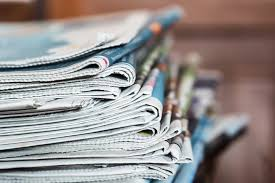
The development of the print medium was a major milestone in the history of human communication. Beginning with the invention of the printing press by Johannes Gutenberg in the mid-15th century, printing technology introduced non-literal forms of knowledge to the majority of people who otherwise had little or no access to them. Print became an effective instrument of education, reform, and exchange of cultural ideas. At its best, the print medium helped spread new ideas during the Renaissance and Reformation periods.
Evolution Through the Ages
As the decades passed, the print medium adapted to changing societies and changing technologies. The 19th and 20th centuries saw an increase in print media. Newspapers and magazines became important forms of information and entertainment. With the development of printing technology during the industrial revolution, books and periodicals could be produced at large scale. Because of this growth, printed materials could be distributed around the world and contained various types of content, catered to different audiences and interests.
Print in the Digital Era
Now that we’re all so connected through technologies such as computers, streaming video, and instant e-mail, the print medium is still here to stay. It is touch-based and the physical permanence of the printed page offers an experience far superior to any other media form. Print continues to thrive in niche industries that value quality and tangible forms of communication, including luxury magazines, coffee table books, and niche journals. The variety of print media available as branding and marketing literature for example brochures and posters once again serves as proof that in today’s increasingly digital world, print is here to stay.
The Unique Advantages of Print Medium in Modern Communications
Tangible Presence and Credibility

In an increasingly digital world, the print medium has a physical presence that it can’t offer any other form of media. When you hold a magazine, newspaper, or brochure, there’s a tactile appeal to what you are holding, making the object trustworthy and also making it feel more permanent. This experience also helps to cement a printed item’s credibility because people seem to believe printed materials to be more trustworthy than digital mediums. Additionally, people feel more attached to information that is displayed on paper because there is less temptation to move past it without the pop-ups and notifications that we’re bombarded with daily on the internet.
Enhanced Engagement and Retention
Print media can offer a unique level of engagement to each individual reader. Research shows that readers of printed materials are able to enlarge their understanding and retention of information more well-thought through. The act of reading on paper means more cognitive engagement since it is possible to annotate and reread the item at a leisurely pace. Also, printing materials have layout and typography that guide the reader through the content in an organized and coherent manner, thus enhancing the entire reading process. Through an increased level of engagement, readers retain information better. That is why print materials are an ideal medium for both education and professional communication.

How Print Medium Complements Digital Media
Bridging Traditional and Modern Communication

In a world where digital media dominates almost all of marketing, print still is an important part of any marketing mix. Print provides the opportunity to “feel” something, something you cannot get through digital and it creates a more authentic connection with your audience. When teaming up with both print and digital media, you can build a cross media plan that leverages each medium’s strengths, creating more cohesive, successful marketing.
Enhancing Message Retention
Print materials (i. e. brochures and magazines) are often more receptive than the digital versions. Print is used for many reasons, but one major reason is that in its physical form ( print is made of a solid material ) it and other forms of media tend to help readers better retain what they are reading. So by printing several copies of something you ‘re feeding the information to multiple people at some level who will better understand and remember what you ‘re telling them.
Case Studies: Successful Campaigns Using Print Medium
Apple’s Think Different Campaign

By the late 1990s Apple’s Think Different campaign proved that not only was print advertising compelling but also highly impactful. Combining a sleek design with effective messaging, the company successfully used print advertising to upgrade its brand image. In association with powerful illustrations of popular characters like Albert Einstein and Mahatma Gandhi, ads were printed to show consumers that “Think Different” was an effective and practical way to promote a change in identity. Apple managed to reach a larger audience by using high-quality print ads to use in high-profile magazines and newspapers, strengthening the company’s innovative stance.
IKEA’s Catalog Campaign
Another great example of this is IKEA’s catalog that is still in print every year and is used by almost everyone. Known for their commitment to manufacturing the most durable and stylish furniture, they have also always looked for the very best tools to create engaging and useful marketing material that can be carried directly into stores. In this way IKEA makes sure all their potential customers have the opportunity to see how the products can make a truly world-changing impact on them by offering vibrant visuals and offering real-life solutions for design challenges, and with that, offers a means to reach all the people in the world that have a passion for the furniture.
The Future of Print Medium in a Digital World
A Synergy of Tradition and Innovation

With communication increasingly digital, the beauty and strength of print media has never been more evident. If you’re ever in the midst of an uphill struggle to “know” what a digital product is, it’s important to remember that print isn’t just remaining in the past; it is going places. That said, while there may be a few flaws, the most obvious ones can be found in print today’s new media hybrids. While printing as a medium isn’t new, this hybrid is creating a new, engaging form of marketing.
Sustainability and Print Medium
Print is also constantly advancing toward sustainability. Businesses are adjusting their practices to decrease their carbon footprint by making better choices, and now print really is starting to become a viable platform in the sustainability conversation. With recycled materials and sustainable inks print medium can reach consumers who care about the environment. And when you’re picking what kind of printing you want to go with, get thinking about all the benefits that sustainable media can add to your overall brand story and how it can help convert eco-conscious buyers.
Conclusion
Modern societies have transformed most of print into digital objects, but printing still seems to be at an increasing level of prominence in our public discourse. As a discerning reader and consumer, you already know that printed media has some of the characteristics mathematics, design, identity, nostalgia, etc. that you can’t get from digital materials. As you navigate this informationscape, don’t think about print as an after-thought; see print as one of the tools for improving your understanding and experience. By embracing print alongside digital tools, you have more options for building a more informed and connected reality in the modern age.