Gas Booster Systems: Optimizing Performance and Reliability
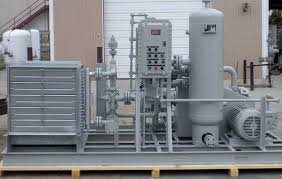
Optimal gas performance in industrial environments depends on the effectiveness and reliability of gas booster systems. And if you’re an engineer or businessman looking to solve the world’s most difficult challenges, you’ll need to know how gas booster systems work.
A gas booster is a system that boosts the pressure of natural gas for various applications. This makes them instrumental in producing satisfactory results in many industries. This article will discuss what you need to know about finding, installing, and operating gas booster systems and as well as tips and tricks to optimize the performance and output of your gas booster system in areas like power generation and mining.
Understanding Gas Booster Systems: What They Are and How They Work
Introduction to Gas Booster Systems
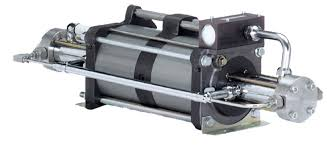
Gas booster are used in a variety of industrial applications to provide elevated gas pressure from a lower supply pressure to a higher one. They’re typically needed when the normal supply gas pressure is not high enough to meet machine performance requirements. With a gas booster, industry can use it to optimize their processes, ensuring equipment runs at its top performance and efficiency.
Operational Principles
Gas booster systems typically have one of two major mechanisms to push or pull gas: mechanical or pneumatic drive systems. Mechanical boosters use electric motors to power the compression process while pneumatic boosters use air pressure to push the gas. Each mechanism has its advantages. Mechanical booster systems are often preferred because of their accuracy and energy saving whereas pneumatic booster systems are preferable because of their simplicity and low maintenance.
Key Benefits of Using a Gas Booster for Enhanced Performance
Increased Efficiency and Power Output

A gas booster system helps to improve your system’s efficiency and output of power by increasing the pressure in the gas. This will allow you to use resources more efficiently which in turn is a direct result in a more powerful energy output in the same amount of gas. This will ensure that your systems are running at their greatest efficiency levels. If your energy consumption is a major overhead for your business then this cost saving over time can be substantial.
Enhanced Reliability and Safety
An efficient gas booster not only improves system performance, but also provides improved reliability. By keeping pressure at the same level all the time, gas boosters prevent oscillations that can cause system failure or downtime. This steady pressure can reduce equipment wear allowing equipment to last longer and reducing maintenance requirements. An additional benefit of improving system reliability is that it results in safer operation reducing the risk of accidents as a result of pressure fluctuations or equipment failure.
Types of Gas Boosters: Selecting the Right One for Your Needs
Diaphragm Gas Boosters
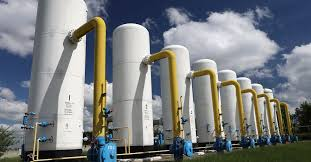
The diaphragm gas booster is one of the many kinds of gas boosters, and is arguably the best one for its versatility and effectiveness. These boosters use the compressed gas to create a flexible (and non-reciprocating) diaphragm, which makes them ideal in applications where low contamination and high purity are required. Since they have no reciprocating parts, diaphragm boosters are also less likely to wear down, which is also why they are better suited for industries where the integrity of the gas is required, such as in medical and pharmaceutical applications.
Piston Gas Boosters
Another popular type of booster is piston gas boosters. They are very durable and are capable of operating in very high pressures. Motorcycle piston boosters can be used to boost gas up to very high pressures. This is a good option when working with large quantities of gas. Piston boosters can also be found in many industrial settings, as they can help compress a large volume of gas with efficiency. However since piston boosters are mechanical, regular maintenance is required in order to achieve optimal performance and lifespan.
Maintenance Tips to Ensure Gas Booster Reliability
Regular Inspection and Cleaning

How do you periodically perform gas booster inspections to maintain your system? Well generally you should perform a gas booster inspection in order to look for signs of wear and tear, so that you can detect signs of deterioration in the system before they become costly repair. To start I would strongly suggest to inspect the whole unit – all seals, valves, and hoses. Look for corrosion/damage that will cause issues with the operation of the system, and by no means is cleaning the system out of reach.
Scheduled Preventive Maintenance
Preventive Maintenance plan To ensure long-term performance of your gas booster system you need to devise an effective preventive maintenance plan that will include ensuring all levels of pressure are maintained within the recommended range. Lubrication of mechanical parts also serves as one of the essential maintenance tasks and prevents frictional wear.
Check with manufacturer’s recommendations for proper intervals of lubrication and use recommended lubricating fluid. You also want to keep all the maintenance activities log so that you can monitor the system state and identify problems that may require more time to identify and fix.
Monitoring System Performance
Gas Booster Performance Metrics As your gas booster performs, you’ll want to look at its performance over time to identify warning signs that something is amiss. For instance, you might use system monitoring software to monitor pressure, flow rate, and energy usage. If anything looks out of the ordinary it might be time for a professional look. Or you could use an automated alert system so you can be notified immediately if anything does go wrong and you need to deal with it.
Identifying and Resolving Pressure Fluctuations
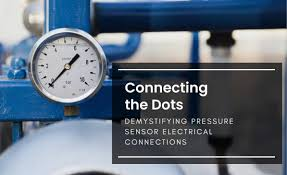
Sometimes the gas booster system can have fluctuation in pressure which can cause disruption of operation and reduce efficiency of the system. You may think the only reason for change in pressure is a leak, or a blockage or broken equipment. But in fact the connections, and seals in the system can also cause the fluctuation in pressure that you are looking for.
You can listen for hissing coming out of pipe work. One can try SOMMER water, and see if there are bubbles in the joints of the pipework. In addition, check for grease in the inlet / outlet valves. Blockages in the inlet valves can restrict flow of gas and cause fluctuations in pressure level. It is best to maintain the inlet / outlet valves for proper sealing.
Dealing with Inadequate Gas Flow
Lack of gas flow can seriously affect the performance of a gasbooster. The problem can be either the wrong booster size or an obstruction in the gas line. To figure out what the issue is you’ll want to look at the specifications of the gas booster system to see if it is up to specification for the application you are using it on, and if not you might want to upgrade to a better model.
Also looking for debris/kinks in the gas lines that may be preventing a good flow of gas, and maybe removing them. Also ideally having your filters cleaned with a brush every month or so to ensure the flow levels are maintained at optimal and efficiency is maintained across the system.
Conclusion
To put it finally, investing in the latest gas booster technology is the only way to achieve all of your desired performance and reliability in the long term. With such systems, you’ll be able to increase well pressure delivery, as well as provide continual flow on a range of applications. Improving on gas booster technology is one of the ways that you can deliver a long-term solution while decreasing downtime and increasing flow rate from your wells.
Investing in the latest in gas booster technology will help to ensure that you have a safer and more efficient working environment for your business, not only that it makes you the most competitive business on the planet, but you’ll become the best competitor in the industry.